

Every Sunday I do a short video and share a special stitch or trick or cheat. These are the posts that feature handspinning!
I also have a collection for knitting, crochet, and then a few I filed under miscellaneous because they did seem to fit anywhere.
Enjoy!
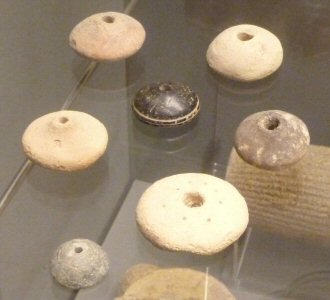
Handspinning has probably been around for as long as there have been people with hands, as these spindle whorls from 5000 BC attest to. And yet here we are, in the post-post-modern age where our phones are smarter than we are, trying to re-learn how to spin. Maybe in 500 years there will tutorials on how to write with pencils.
Help for Handspinners
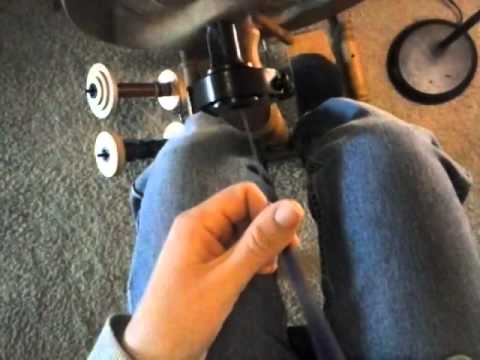


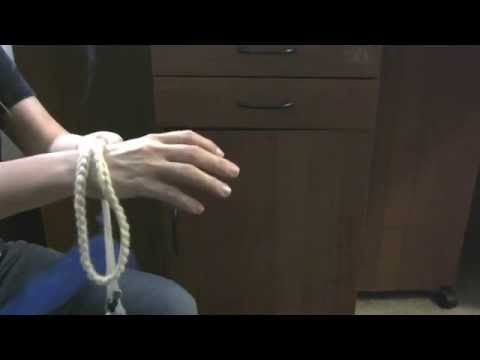
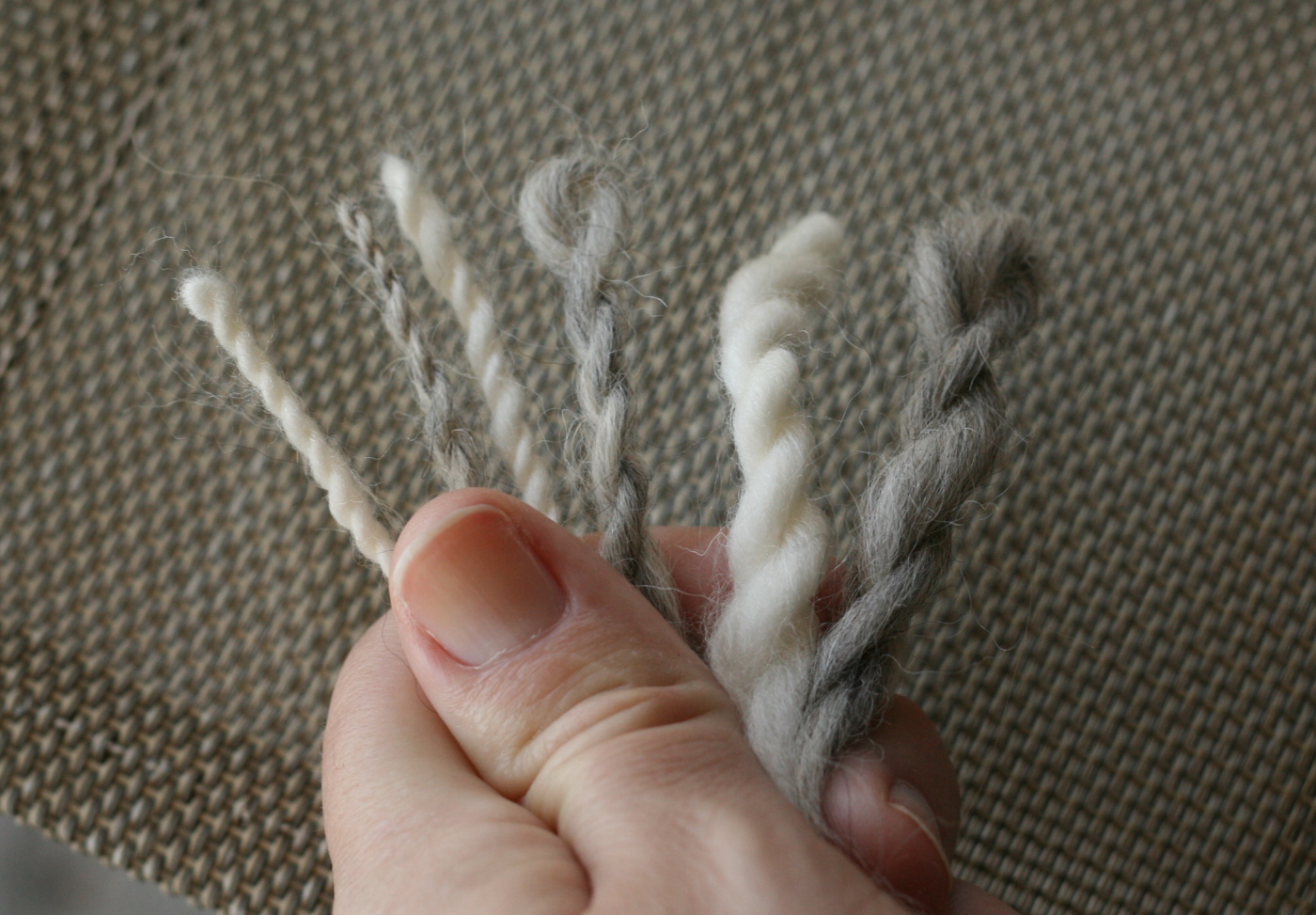

Looking for something in particular? I take requests. Let me know what you would like to see in the comment section and I’ll try to get it done.


6 Comments on "Handspinning Tutorials"
Saw your video on “Make Ones” it was just what I was thinking about last night when I was knitting a pattern that calls for a “M1″…The lean Left and Right plus the “e-loop” was really timely and very well presented. Thank you. I do have a question for you as far as increasing stitches within a pattern and it is in the pattern I am doing now as well as is the “make one” and that is to -knit or purl into the front and back of the same stitch. I was thinking as I knit this , why this technique? Why not a make one …why this particular stitch…Do you know the stitch, my guess is you do but why this particular stitch as an increase? What does it add to the pattern that a regular “make one” doesn’t ? Julie
Well I’m glad that I found my way to you just when you needed me. I live to teach. Its a passion and I’m so luckyto find willing victims…. err… I mean volunteers.
Now about that other increase stitch: Is it referred to a “kfb” or kf&b” or possibly “pfb”? Those “knit into the front and then into the back of the same stitch are sued by designers for a couple of different reasons.
1) kfb/pfb are more widely known and used than make ones. If you need or want to keep a pattern simple and easy (some publications want all beginner/easy lvl patterns) then you stay away from make ones.
2) kfb/pfb are nearly invisible in garter stitch. That can be nice.
3) kfb/pfb is the best and most stable increase to put on a very outermost edge stitch.
4) When worked in the round, kfb/pfb in every round, stacked on top of each other can make for great spiral-looking effects.
That’s just off the top of my head. HTH!
A question about using a Drum Carder(electric). Why does it take perfectly nice batting and make small little knots or noils in it. I spread the fiber very thin, I have it at the slowest speed possible and the licker and drum are set at almost paper thin distance. I want to blend batts I have dyed but I get all these little rolled up balls of fiber….looks like a spider web filled with well wrapped little insects. Any ideas…It is a new Drum carder Brother. Julie Thanks
Well… noils are the result of over-processing of carding too much/too vigorously. Now I can see that you are using the lightest of setting but let me just say that noils are most commonly occur when the teeth mesh together too much. That can happen due to speed, separation of teeth and just the density of teeth themselves (pins per inch).
But, some fiber does not card well at all no matter what setting you use. Usually that fiber is very (very!) fine and soft and/or very crimpy. The first rambouillet fleece I worked with taught me that some wool has to be combed. Any attempt at carding that rambouillet tangled and noiled. Even hand carder.
What is the micro size of your fiber (if you know it)? What is the breed? And can you still see the individual lock structure in the wool?
Hi Jenn,
I would love a post about how to use a drop spindle. I know that there are lots on YouTube but you are just so easy to follow!
Blessings
Becky
Maybe! I’m not quite sure how I would put my lesson, which is two hours, into this format. But I’ll give it some thought.